Classic gaming spans multiple platforms, each with a distinct identity and catalog. Choosing where to start when exploring the full library of classic games depends partly on what kind of experience you are looking for. This comparison breaks down the major platforms and helps you identify which one matches your gaming preferences.
MS-DOS — Depth and Complexity
DOS classic games represent the deepest and most intellectually demanding end of the classic gaming spectrum. The platform attracted developers who wanted to push systems and mechanics to their limits, and the result was a catalog heavy with strategy, simulation, and adventure titles that prioritized depth over accessibility.
The typical DOS classic game assumes patience and a willingness to invest time in learning systems. Civilization does not reveal its full depth in the first hour. Transport Tycoon requires time to understand before you can play it well. Jagged Alliance has a learning curve that rewards persistence.
If you enjoy games that demand and reward intellectual investment, DOS classic games are the place to start.
NES — Arcade Energy and Immediate Fun
NES classic games occupy the opposite end of the accessibility spectrum. These titles were designed to be immediately playable by a broad audience, including children, with no prior gaming experience required. The control schemes are simple, the feedback is instant, and the fun is accessible within the first minute of play.
Galaga, Duck Hunt, Ice Climber, Mappy — these are Classic Games that require no explanation. You understand what to do almost immediately, and the depth comes from getting better at something you already understand. The NES library is the best starting point for players new to classic gaming.
Super Nintendo and Sega Genesis — The 16-Bit Peak
The SNES and Sega Genesis represent classic games at the peak of the 16-bit era. The visual and audio quality is a significant step up from the NES, the game design is more sophisticated, and the catalog is broader. Tetris Attack, The Lost Vikings, and The Lion King on SNES demonstrate what the platform could achieve. The Genesis catalog is smaller in this context but strong in the action and sports genres.
These platforms represent a sweet spot between the immediacy of NES games and the depth of DOS titles — accessible enough for new players but sophisticated enough to challenge experienced ones.
Early Windows — CD-ROM Era Classics
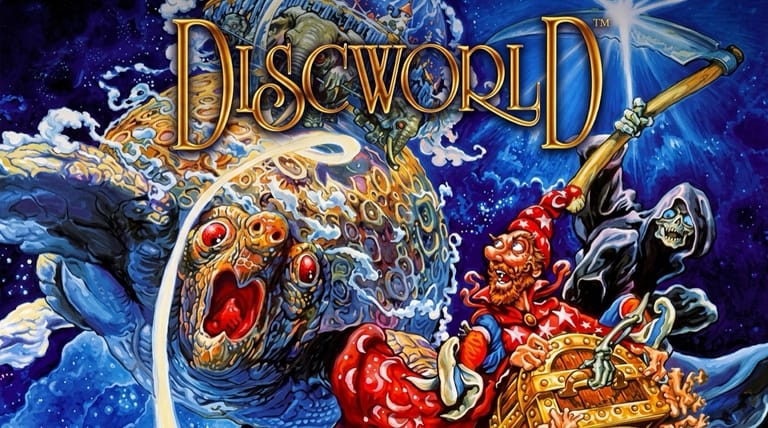
Early Windows classic games, including CD-ROM era titles, brought cinematic production values to gaming for the first time. Full voice acting, orchestral soundtracks, high-resolution graphics — these games felt like a leap into a new medium. The point-and-click adventure genre flourished in this era, and the simulation and strategy titles from Windows share DNA with their DOS predecessors while benefiting from improved hardware.
Which Platform Is Right for You?
The answer depends on what you are looking for. New to classic gaming and want immediate fun: start with NES. Want intellectual depth and complexity: start with DOS. Want the best visual and audio quality with strong game design: start with SNES or Genesis. Want narrative and atmospheric richness: look at early Windows titles.
All four platforms are represented in a good classic games library, and all are free and browser-playable today.
Conclusion
Classic games across different platforms offer genuinely different experiences. The depth of DOS, the immediacy of NES, the polish of SNES, the cinematic quality of Windows — each platform has a distinct identity that attracts different kinds of players. The best approach is to sample across platforms and find where your preferences live. The entire library is waiting for you.